Open Source Vulnerabilities: Risks and Remediation Strategies

Open Source Vulnerabilities: Risks and Remediation Strategies

The Pervasive Nature of Open Source in Modern Software Open source components now constitute 70–90% of the codebase in modern applications. From operating systems to web frameworks, libraries, and container images, open source software (OSS) underpins virtually every digital product. This reliance creates an ecosystem of shared innovation—but also shared risk. A single vulnerability in … Read more
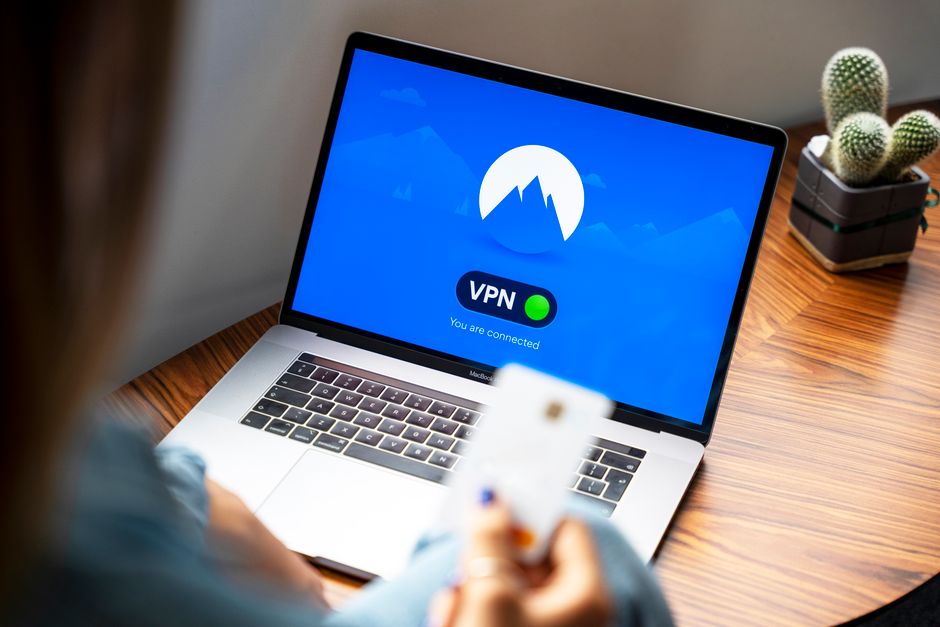

How to Secure Your Email with Two-Factor Authentication

How to Secure Your Email with Two-Factor Authentication

Your email account is the digital key to your entire online life. A compromised email grants attackers password resets for banking, social media, cloud storage, and even cryptocurrency exchanges. Two-factor authentication (2FA) is the single most effective defense against unauthorized access, blocking over 99.9% of automated attacks according to Google’s security research. This guide covers … Read more

How AI is Transforming Data Protection and Security

How AI is Transforming Data Protection and Security

The Sentry Revolution: How AI is Redefining Data Protection and Security The digital landscape is a paradox. As organizations amass unprecedented volumes of data, the very systems designed to store and process it have become sprawling, complex attack surfaces. Traditional security models, reliant on static rules and human vigilance, are buckling under the weight of … Read more

How to Remove Your Personal Information from Data Brokers

How to Remove Your Personal Information from Data Brokers

Your personal data—name, address, phone number, email, income level, purchasing habits, and even your social media activity—is a commodity. Data brokers like Acxiom, Spokeo, Whitepages, and Intelius collect, aggregate, and sell this information to advertisers, employers, landlords, and scammers. While the process of removing yourself from these databases can feel like a game of whack-a-mole, … Read more

Do VPNs Work on Mobile Data and 5G Networks

Do VPNs Work on Mobile Data and 5G Networks

The Mechanics of VPNs on Mobile Networks To understand how a VPN operates on mobile data, it’s essential to first strip away the marketing hype. A Virtual Private Network (VPN) creates an encrypted tunnel between your mobile device and a server operated by the VPN provider. When you connect via 4G LTE or 5G, your … Read more

Common Signs of a Phishing Link in a Text or Email

Common Signs of a Phishing Link in a Text or Email

Phishing attacks have evolved into one of the most pervasive cybersecurity threats, with the Anti-Phishing Working Group reporting over 1.3 million attacks in the third quarter of 2024 alone. The cornerstone of these attacks is the phishing link—a deceptive URL designed to steal credentials, install malware, or extract sensitive financial information. Recognizing the telltale signs … Read more

How Often Should You Actually Change Your Passwords?

How Often Should You Actually Change Your Passwords?

The Evolution of Password Rotation: What the Experts Now Recommend For over a decade, the cornerstone of digital security advice was rigid: change your passwords every 30, 60, or 90 days. This mandate, often enforced by corporate IT departments, was drilled into users worldwide. However, a seismic shift has occurred in cybersecurity thinking. The National … Read more

Understanding Digital Privacy in a Connected World

Understanding Digital Privacy in a Connected World

The average smartphone user generates over 2.5 quintillion bytes of data daily. Every click, search, location ping, and app interaction feeds an ecosystem where personal information is the currency. Digital privacy—the right to control how your data is collected, used, and shared—has become one of the defining challenges of the 21st century. In a world … Read more

Top 10 Benefits of Using a VPN for Online Privacy

Top 10 Benefits of Using a VPN for Online Privacy

1. Unbreakable Encryption: Shielding Data from Prying Eyes A Virtual Private Network (VPN) creates an encrypted tunnel between your device and the internet. This military-grade encryption (typically AES-256, the same standard used by governments) scrambles all data—passwords, credit card numbers, private messages—into unreadable code. Without the decryption key, an Internet Service Provider (ISP), a hacker … Read more